AI for Ownerspowered by Fail Coach
HVAC6 min read
How to Stop Missing Calls While You're on a Job
Every missed call is money walking out the door. Here's how to capture every lead without hiring office staff.
By Miha Matlievski|
You know the feeling. You're elbow-deep in a furnace repair, hands covered in grease, and your phone starts buzzing. By the time you can grab it, they've already hung up. And you know what happens next - they call the next guy on Google.
That missed call just cost you $500. Maybe more.
The Real Cost of Missed Calls
Let's do some simple math. Say you miss 5 calls a week during jobs. With an average ticket of $400 and a 40% closing rate, that's $800 a week walking out the door. Over a year? That's $41,600 in lost revenue.
And that's a conservative estimate. During peak season - those scorching summer days when every AC unit in town decides to quit - you could be missing 10 or 15 calls a day. Each one of those callers has an emergency. They're hot, they're frustrated, and they're calling the first three results on Google. If you don't answer, someone else will.
But here's what really hurts: in HVAC, speed wins. According to research from Harvard Business Review, the odds of qualifying a lead drop dramatically after the first five minutes. Not whoever has the best reviews. Not whoever has the lowest price. Whoever picks up the phone.
Why This Happens
You're not missing calls because you're lazy. You're missing them because you're doing actual work. You're on a ladder. You're in a crawl space. You're talking to a customer. You can't exactly pause a compressor swap to chat with someone about a quote.
The traditional solutions all have problems:
Hiring office staff means adding $40,000-$60,000 a year to your overhead. For a 3-truck operation, that's a massive leap. And what happens when they call in sick? Or during after-hours emergencies?
Call centers are cheaper, but they're impersonal. They can't answer basic questions about your services. They can't book jobs directly into your schedule. And customers can tell when they're talking to someone reading from a script.
Voicemail is where leads go to die. Seriously. When someone's furnace is out in January, they're not leaving a message and waiting for a callback. They're already dialing the next number. The same urgency applies across all service businesses - whether it's a plumber dealing with no-shows or a contractor trying to respond to estimate requests.
The Manual Fix (It Works, But It's Hard)
If you're not ready to invest in a solution yet, here's how to minimize the damage:
1. Set Up Missed Call Text-Back
Most phone systems let you auto-send a text when you miss a call. Something like:
"Hey, this is [Your Company]. Sorry I missed your call - I'm with a customer right now. What can I help you with? I'll call back within 30 minutes."
This keeps the conversation alive. The customer knows you exist, you know what they need, and they're less likely to keep calling around.
2. Create a Callback Priority System
Not all missed calls are equal. Emergency no-heat calls in winter? Drop everything. Someone asking about a tune-up? Can wait until lunch.
Create a simple system:
- Emergency (callback within 15 minutes): No heat, no AC, water leaks, gas smells
- Urgent (callback within 1 hour): System not working but not dangerous
- Standard (callback within 4 hours): Quotes, tune-ups, general questions
3. Block Out "Office Time"
Schedule 30 minutes, twice a day, specifically for returning calls. Once mid-morning, once mid-afternoon. Tell customers you'll call them back "between 10 and 10:30" and actually do it. Consistency builds trust.
4. Train Your Voicemail
If people must leave a message, make it count. Instead of "Leave a message and I'll call you back," try:
"You've reached [Company]. I'm probably on a job right now. Leave your name, number, and tell me what's going on with your system. If it's an emergency - no heat, no AC, or you smell gas - text me at this number and I'll call you right back."
The "text me" option catches about 30% more urgent calls.
The Better Way
Here's the thing about all those manual fixes: they work, but they're exhausting. You're still the bottleneck. You're still juggling phone calls between jobs. You're still eating cold dinners while you return callbacks.
There's a better way.
Imagine if every call was answered instantly. Not by a call center reading a script, but by a system that knows your business. It can answer basic questions ("Do you service Carrier units?" "What's your service call fee?"). It can book appointments directly into your calendar. It can capture the lead's information and send you a text with everything you need to know.
That's what automation does. It's like having a dispatcher who never sleeps, never calls in sick, and costs less than your monthly phone bill.
The technology exists today. AI-powered answering systems can handle natural conversations, understand context ("My AC is making a grinding noise"), and respond like a real person. They can qualify leads, schedule appointments, and even send confirmation texts - all while you're focused on the job in front of you.
We've helped HVAC businesses reduce missed calls to nearly zero. One owner told us he finally stopped checking his phone every five minutes. Another said he gained back 10 hours a week that he used to spend on callbacks. A third put it simply: "I finally feel like I have an office, without paying for one."
The Bottom Line
Missing calls isn't a small business problem you just have to live with. Every missed call is a customer you could have served, revenue you could have earned, and growth you're leaving on the table.
The manual fixes help. They're better than nothing. But they're still putting a band-aid on a bigger problem: you can't be in two places at once.
Whether you invest in automation or not, the math is clear. If you're losing $40,000 a year to missed calls, almost any solution that costs less than that is worth considering. And while you're reviewing your numbers, make sure you understand the difference between markup and margin - it could be costing you even more than you realize.
Your phone is ringing. The question is: who's going to answer it?

Miha Matlievski
Founder of Fail Coach. 16-time entrepreneur helping trades owners work smarter with AI.
More for HVAC Business Owners
HVAC11 min read
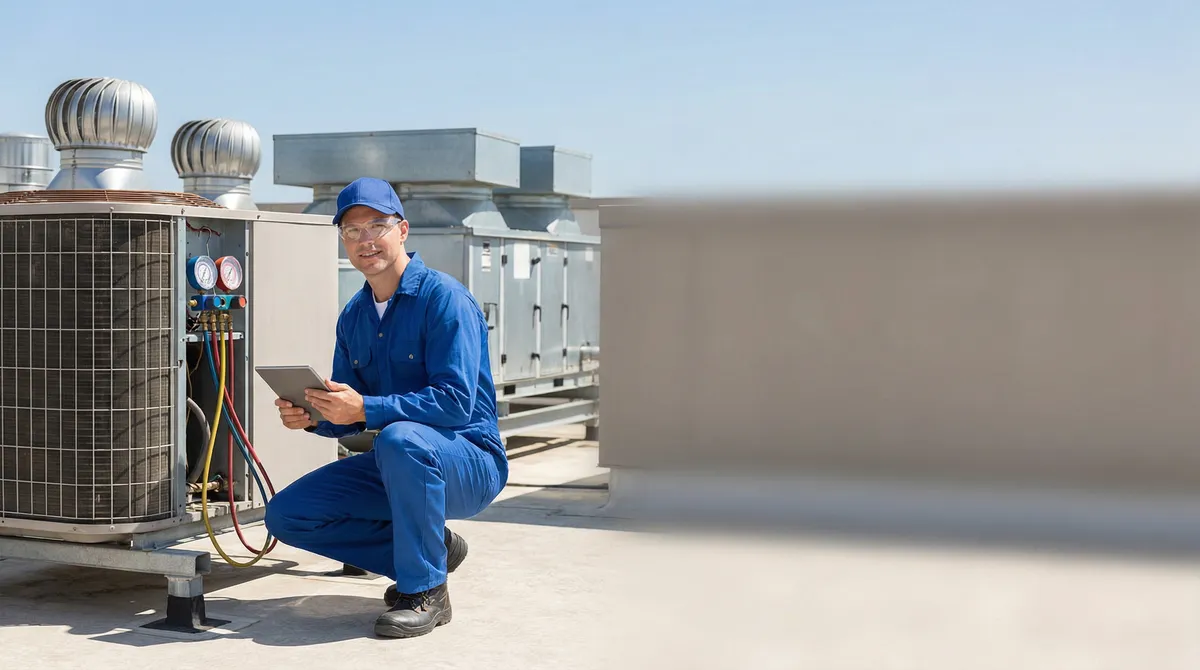
A2L Refrigerant Explained: What HVAC Contractors Should Tell Homeowners in 2025
A2L refrigerant explained for HVAC pros. Scripts and strategies to help homeowners understand the 2025 transition without losing the sale.
Miha Matlievski
HVAC11 min read
HVAC Flat Rate Pricing Guide: Your Price Book Is Costing You Money
This HVAC flat rate pricing guide shows how outdated price books erode margins and how to audit and fix yours this week.
Miha Matlievski

HVAC7 min read
Surviving the Shoulder Season: Marketing When the Phone Stops
HVAC revenue can drop significantly in shoulder seasons. Here are practical marketing strategies to keep your trucks rolling when the weather turns mild.
Miha Matlievski
Stop Losing Money to Leaks You Can't See
Book a free 15-Minute Leak Finder. I'll show you exactly where your hvac business is bleeding cash - and what to fix first.
Book a Free Callhvac missed callshvac answering servicehvac lead capturestop losing leadshvac business growth